Increasing MAU by 15% through strategic user research
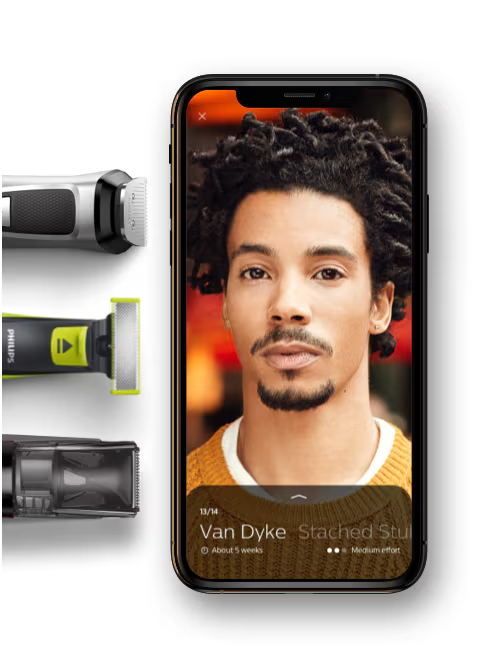
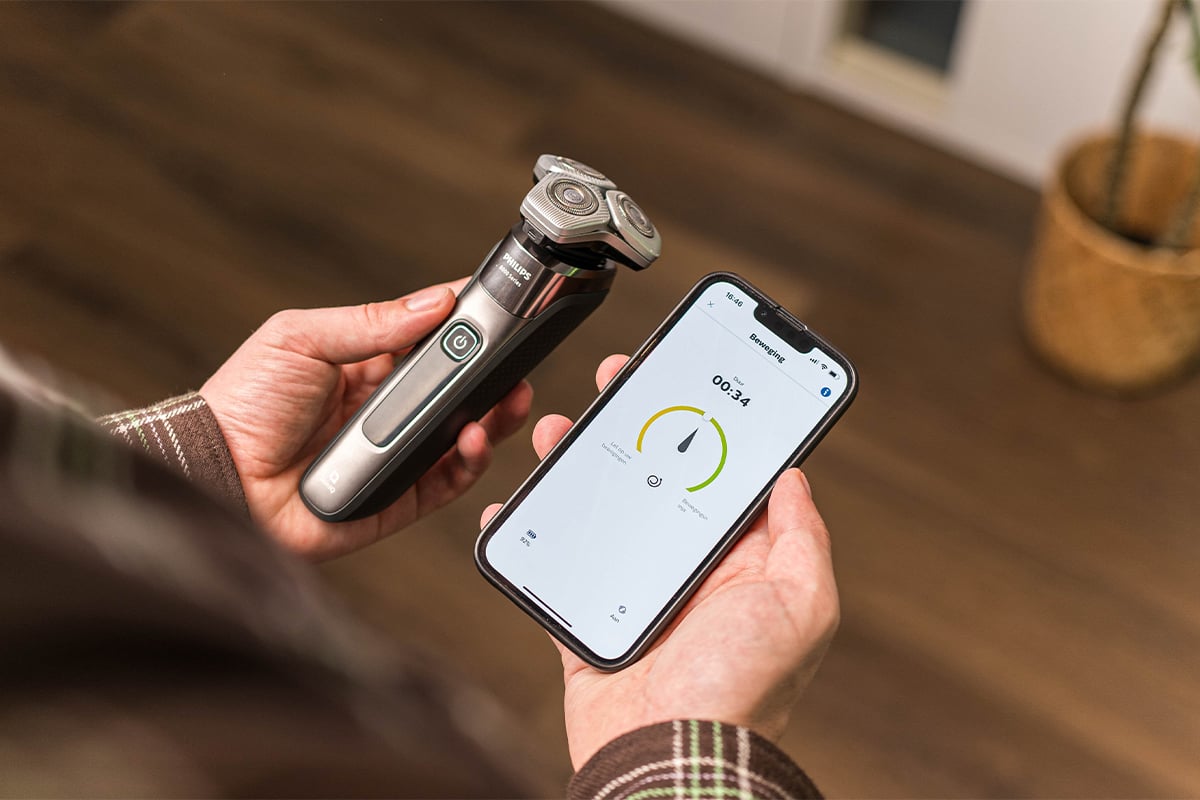
Philips has a shaving companion app for their high end shavers, giving styling advice and easy control of your shaver. I researched the different user groups of the app to launch a new strategic direction that was better in line with what people actually wanted a companion app to do, boosting MAU.
Business impact
- Increased MAU by 15% by focusing on features that users wanted to have, while overall budget for the app was at the same time decreased by 10%.
- A more focused strategy helped the team to 'throw less spaghetti at the wall' and develop features in line.
User impact
- We saw a 23% increase in users saying that the app was useful to them.
- The introduction of mindsets allowed for less bias in the user research.
Challenge
Philips Grooming creates some of the best shaving and grooming devices in the world, used by people all over. Their Digital Solutions team creates an app that helps people make the most of their shaver, by letting you easily access the complex settings of your shaver or getting styling advice. However, there was little strategic direction for the app, causing engagement to fall. I was tasked finding the right framework and data to build a new strategic direction on top of.
Approach
Philips is a large organisation, so when I arrived there was already a veritable heap of research done by various people. However, no one had a comprehensive overview of what was done and what the gaps in the research were. I teamed up with a researcher in a sister team to analyse current findings and create a plan for future improvement of the app.
From the current work, it became clear that while each feature was validated before launch, information on what motivated people to use the app in the first place was sparse. This became the focal point of the research that followed. We decided that the Jobs to be Done (JTBD) framework would be appropriate, as it is easy to digest for people outsidde the research group and by doing a future survey, we would be able to prioritise different needs of users.
Act
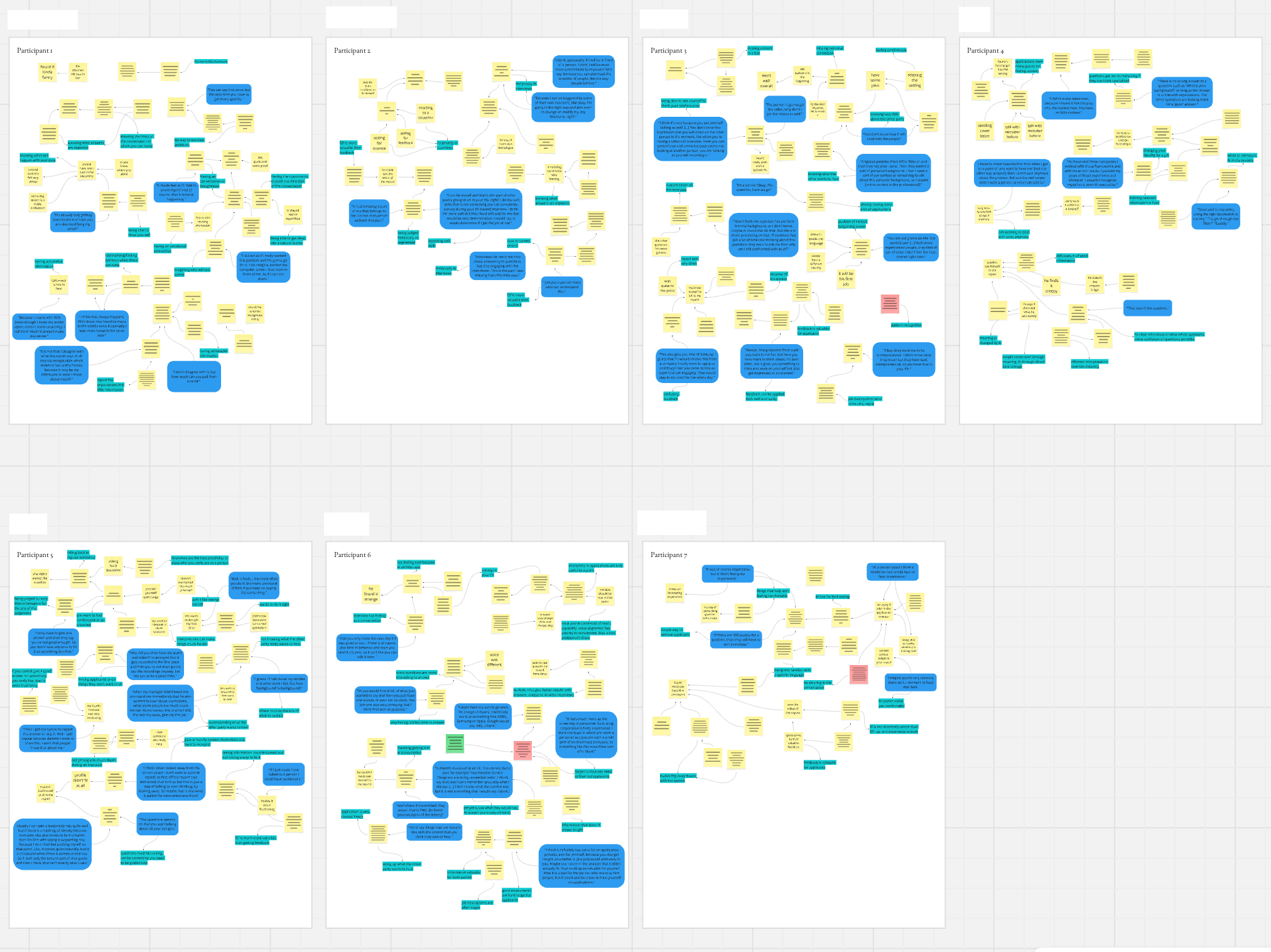
The analysis had showed several gaps in our knowledge, which was remediated with 32 interviews done with men from different cultures. While my colleague handled the majority of the analysis of these interviews, I introduced mindsets to the team. These are an alternative to personas that are less based on demographics and more on groupings of behaviour that follow from deep-seated wishes from users and context from their lives, for example how one may shave different during a busy weekday versus a chill morning in the weekend. This allowed us to focus our findings around distinct groups of users instead of demographics that don't say as much.
With the data from the interviews and the previous research, I compiled a list of 31 distinct JTBDs, which served as the basis for a large scale (1500+ particpants) survey to map these different needs to distinct mindsets. The results of the survey allowed us to focus on 2 mindsets in particular, people for who skincare was top of mind when shaving and people for who were strongly focused on efficiency and getting on with their day.
With the focus on these two mindsets, features within the app were reprioritised. Users reported higher satisfaction with the app as it began to focus more on features they were interested in, like shaver settings configuration, while features that our main users found frivolous, like the Style Mirror, were phased out. Over a period of 4 months, we saw MAU increase with 15% while the team had a new found strategy that all stakeholders could get behind.